Part 1: The Most Common STIs/STDs – Chlamydia, Gonorrhea, and HIV

September 13, 2020
A person is holding a cell phone with information on the screen

The Most Common STIs/STDs. STD’s (sexually transmitted diseases) and STI’s (sexually transmitted infections) are diseases/infections that are passed from one person to another through sexual contact (vaginal, anal, or oral sex). The Centers for Disease Control and Prevention (CDC) estimates that people age 15 to 24 account for 50% of the 20 million new STI’s that occur in the United States annually, despite the fact that this age group makes up just 27% of the sexually active population. Studies also show that infertility issues in 24,000 women each year are attributed to undiagnosed STI’s. 


Many people don’t know that they are infected because STI’s often have no symptoms. When STI’s go untreated, they advance to become an STD. Below are some of the most common STI’s/STD’s:


Chlamydia


This STI/STD is known for causing serious damage to a woman’s reproductive system, increasing the risk of potentially fatal ectopic pregnancy (pregnancy that occurs outside the womb/uterus) and increased difficulty in getting pregnant. Women who exhibit symptoms may notice:


  • An abnormal vaginal discharge
  • A burning sensation when urinating


Infected men may notice:


  • A discharge from their penis
  • A burning sensation when urinating
  • Pain and swelling in one or both testicles 


Additionally, both men and women can get chlamydia in their rectum through receptive anal sex or it can be spread from another infected site (such as the vagina). While these infections often cause no symptoms, victims can experience:


  • Rectal pain
  • Discharge
  • Bleeding


Gonorrhea


This is an STI/STD that causes infection in the genitals, rectum, and/or throat. Although some men with gonorrhea may have no symptoms at all, those who do may experience:


  • A burning sensation when urinating
  • A white, yellow, or green discharge from the penis
  • Painful or swollen testicles 


Unlike men, most women with gonorrhea don’t exhibit any symptoms. When they do, the symptoms tend to be mild and can be mistaken for a bladder or vaginal infection. Symptoms in women can include:


  • Painful or burning sensation when urinating
  • Increased vaginal discharge
  • Vaginal bleeding between periods


HIV


People with STD’s have an increased risk of getting HIV compared to those who are STD-free. This is because having a sore or break in the skin from another STD may easily allow HIV to enter your body. Likewise, the same behaviors and circumstances that increase your risk for getting an STD can also multiply your chances of getting HIV, such as:


  • Having anal, vaginal, or oral sex without a condom
  • Having multiple sex partners
  • Having anonymous sex partners
  • Having sex while under the influence of drugs or alcohol, which lowers inhibitions and results in greater sexual risk-taking


The HIV virus targets and alters the immune system hence the name: Human Immunodeficiency Virus. As a result, this virus increases the risk and impact of other infections and diseases. HIV infection can progress to an advanced disease called AIDS (Acquired Immune Deficiency Syndrome).


If you and/or your partner have engaged in risky sexual behaviors that may increase your risk for contracting an STI/STD, it’s highly recommended that you get tested for your health and safety, and to consider a change in your sexual behaviors. The only 100% foolproof way to prevent STI’s/STD’s is through abstinence or sex in a committed, permanently monogamous relationship.


AbbaCare Pregnancy Resource Center provides free STI/STD testing and treatment for our pregnancy clients and their partners. Call 540.665.9660 for more information.



Some Pregnancies are Unexpected…and Some are Unexpectedly Difficult.
March 9, 2026
Receiving an adverse fetal diagnosis can be an overwhelming and challenging experience. AbbaCare is here to provide information and support.
I’m Pregnant, Who Should I Tell? Navigating Hard Conversations With Your Partner, Family, or Friends

February 9, 2026
Unsure who to tell about an unexpected pregnancy? Learn how to navigate difficult conversations with your partner, family, or friends—and find support.
Is the Abortion Pill the Same as Plan B in Winchester, Virginia & Martinsburg, West Virginia?
November 7, 2025
If you’re facing an unplanned pregnancy, you may have questions about your options and the medications you’ve heard about—like the abortion pill and Plan B.
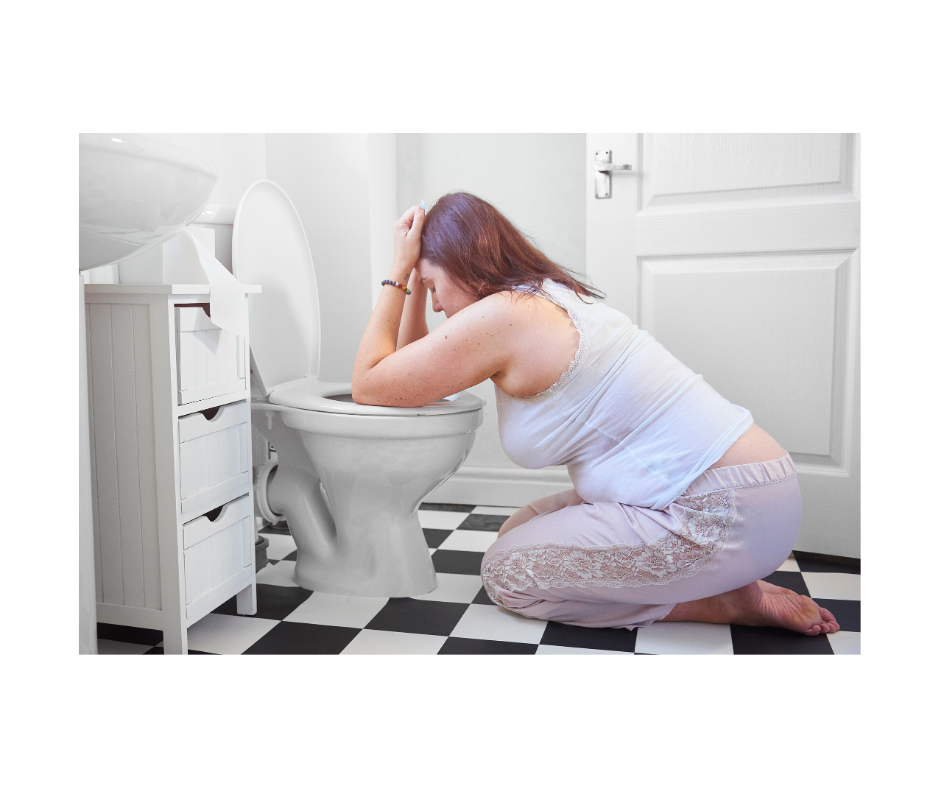
Nausea in Pregnancy
October 28, 2025
Nausea and vomiting during early pregnancy may signal the rise in hormones needed for a healthy pregnancy. Contact us today to confirm.
blog
By Alexia Amend August 29, 2025
Finding out you might be pregnant when you weren’t expecting it can feel overwhelming. Maybe you’re feeling scared, alone, or unsure of what to do next.
why an early ultrasound matters
July 14, 2025
If you’re considering abortion or simply want to understand your options, getting a confirmation ultrasound is one of the most important steps.
Abortion Laws in West Virginia - Get Answers in Martinsburg, WV
June 23, 2025
Learn more about the abortion laws in West Virginia. You have a choice. We are here to help you explore all of your options in Martinsburg, WV.
Embrace Grace is providing support for single and pregnant women.
October 14, 2024
Many women facing unplanned pregnancy feel alone and pressured. Fear can be overwhelming, but support and hope are available.
A woman is sitting at a table using a laptop computer.
September 24, 2024
Making a major decision can be stressful. What if you change your mind? Explore your options and know it’s okay to reconsider.
A man and a woman are touching their foreheads on the beach.
August 8, 2024
Relationships can be amazing and fun or challenging and difficult. Both people in the relationship have value and worth and deserve to be treated well by their partner. It takes both people working together to have a healthy relationship. A Healthy Relationship: Respects the others opinions, beliefs and boundaries Actively listens to the other person to gain understanding not just to form a response. Is kind and treats the other person the way they want to be treated Is honest and truthful in all situations- no “white” lies Understands and is able to empathize when the other is going through a difficult time Perseveres standing strong together in tough times Protects Trusts to do things independently as well as together Gives, being able to compromise An Unhealthy Relationship: Jealous - does not trust Possessive-demanding of your time Selfish– not giving Intimidating- willfully scares Easily angered – not understanding Demanding- wants what they want when they want it Arrogant- thinks they are better than you Stubborn- not willing to compromise Forceful/Hurtful- does not respect you or your boundaries While this is not an extensive list, it gives you a good idea of the differences of a healthy vs. unhealthy relationship. Any relationship can go through a tough time. However, if you are in an unhealthy relationship that attacks your value and worth, there needs to be a change. If you are unmarried, you may need to put a hold on the relationship and seek counseling. If your partner is unwilling to see a counselor, you may need to move on. If you are married, you definitely need to seek counseling. Working on a relationship is not easy. Both partners need to be ready to work, make changes and grow into a more loving and solid relationship.
More Posts