
Here Comes the Sun

May 8, 2022
A group of people are walking across a wooden bridge in the woods.

Here Comes the Sun. Summer is just around the corner, and it is high time to consider what to do when the warmer days roll in. Calendar looking a little lack luster? Here are some ideas to jumpstart a summer of fun, self-improvement, and adventure! So, if you are into those things-keep scrolling!


Five Ways to Get Ready for the Summer


1. Increase your water intake. As the days get warmer, your need for hydration increases. If you struggle to drink water, try foods with high-water content. Add thirst-quenching summer snacks to your day, like watermelon, grapes, apples, or salads with fresh vegetables. Flavoring your water can also make it more drinkable. Try these infused water recipes.


2. Make an honest assessment of your summer wardrobe. Look through your shorts, summer dresses, bathing suits, and other warm-weather clothes. Does everything still fit? Has anything gone unworn for several years? Any clothes that are not really your style anymore? Give yourself permission to let them go. You can donate them to your local charity thrift shop. You can see if there is a women’s shelter or a clothing ministry at a local church that needs clothes. You also can join your local Buy Nothing group on Facebook and offer them up to your neighbors. Lastly, you can make a little cash by consigning your clothes with a company like ThredUp


3. Start an exercise routine. Don’t wait for arbitrary dates like January 1st to improve your health. Late-spring/early summer is actually the most logical time to start a fitness routine. Not only does warm, sunny weather tend to make people feel more energized – but also, there is no need for expensive gym memberships when you can simply get outside and go for a walk. The CDC actually reports that walking is a highly effective way to control your weight and lower your risk for heart disease, diabetes, depression, and some cancers. Adults need at least 150 minutes of exercise a week. So do something good for yourself by committing to a 30 min walk, five days a week. 


4. Learn to balance a healthy intake of sunshine. Most Americans do not get enough Vitamin D. This is significant, because low levels of Vitamin D are linked to chronic disease. There is also good evidence that Vitamin D plays an important role in our immune system. Though sun exposure is the easiest way to get Vitamin D, most of us lather ourselves in sunscreen during the summer. While sunscreen certainly is good for preventing sunburns, premature aging, and even cancer — brief periods of sun exposure can help increase your Vitamin D levels. Noon is actually the best time to get in the sun, as the sun is at its highest point and UVB rays are at their most intense. To take the guesswork out of how much sun to get, try an app like dminder to get personalized suggestions of when and how much sun to get.


5. Start planning a summer trip. Even if you are super busy or are on a tight budget, try to plan a little vacation for yourself. Never taking a break and forgoing vacation time has actually shown to damage your health and productivity. It doesn’t have to be expensive or complicated. This could be a day at the beach with some friends or going for a hike somewhere you’ve never been. Start by researching online what’s near you. Type “Beaches near me” into your search engine to find the nearest lake or oceanside beach. If hiking and exploring is more up your alley, the National Park website will show you all the parks in your area and what activities each has to offer. Once you have a spot picked, propose your idea to your friends, family, or whomever you want to travel with, and start working out the details:


  • Choose your date of arrival and how long you’ll be there. Is this a day trip, a long weekend, or a full-week getaway?
  • How do you plan to get there? Drive yourself? Carpool? Take a train, bus, or plane?
  • What will you need to buy for the trip? Outdoor gear, beachwear, sunscreen, snacks? 


Set objective goals for yourself this summer and be purposeful in the planning. However, you can always leave room for a little spontaneity! 


Here’s hoping this summer is a great one!


AbbaCare is a pregnancy resource center serving Winchester Virginia, Martinsburg West Virginia, and the Northern Shenandoah Valley. If you or someone you know is facing an unplanned pregnancy, is considering abortion or other pregnancy options, or is in need of post-abortive care or counseling, please let us know by calling 540.665.9660 (Winchester) or 304.726.6582 (Martinsburg) or sending us a message.

Is the Abortion Pill the Same as Plan B in Winchester, Virginia & Martinsburg, West Virginia?
November 7, 2025
If you’re facing an unplanned pregnancy, you may have questions about your options and the medications you’ve heard about—like the abortion pill and Plan B.
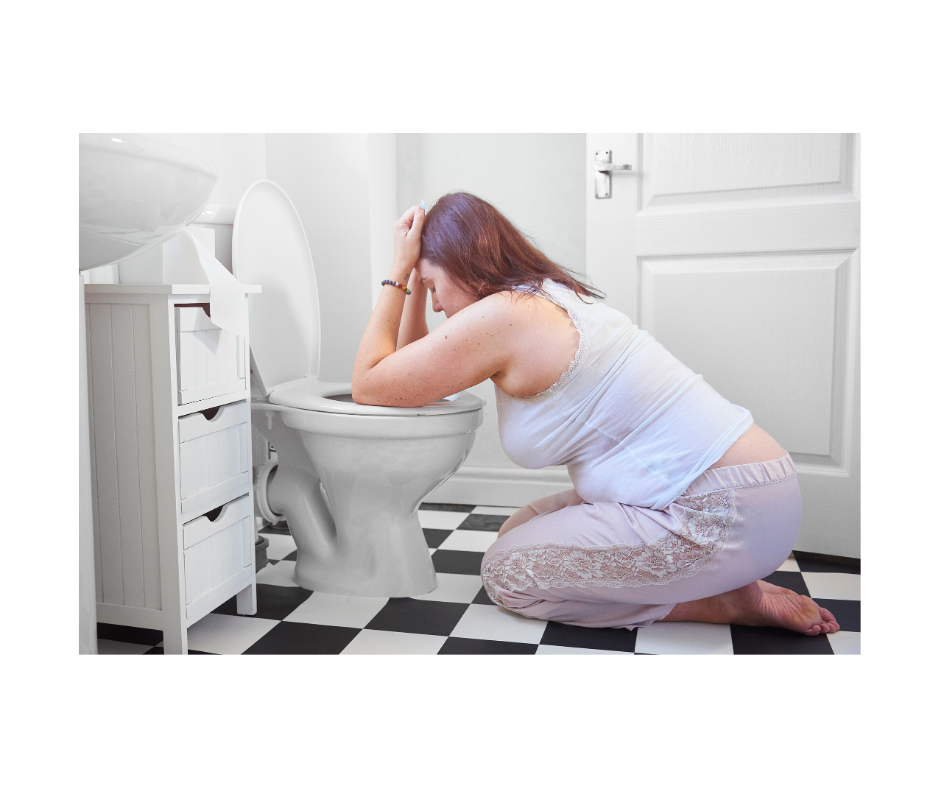
Nausea in Pregnancy
October 28, 2025
Nausea and vomiting during early pregnancy may signal the rise in hormones needed for a healthy pregnancy. Contact us today to confirm.
blog
By Alexia Amend August 29, 2025
Finding out you might be pregnant when you weren’t expecting it can feel overwhelming. Maybe you’re feeling scared, alone, or unsure of what to do next.
why an early ultrasound matters
July 14, 2025
If you’re considering abortion or simply want to understand your options, getting a confirmation ultrasound is one of the most important steps.
Abortion Laws in West Virginia - Get Answers in Martinsburg, WV
June 23, 2025
Learn more about the abortion laws in West Virginia. You have a choice. We are here to help you explore all of your options in Martinsburg, WV.
Embrace Grace is providing support for single and pregnant women.
October 14, 2024
Many women facing unplanned pregnancy feel alone and pressured. Fear can be overwhelming, but support and hope are available.
A woman is sitting at a table using a laptop computer.
September 24, 2024
Making a major decision can be stressful. What if you change your mind? Explore your options and know it’s okay to reconsider.
A man and a woman are touching their foreheads on the beach.
August 8, 2024
Relationships can be amazing and fun or challenging and difficult. Both people in the relationship have value and worth and deserve to be treated well by their partner. It takes both people working together to have a healthy relationship. A Healthy Relationship: Respects the others opinions, beliefs and boundaries Actively listens to the other person to gain understanding not just to form a response. Is kind and treats the other person the way they want to be treated Is honest and truthful in all situations- no “white” lies Understands and is able to empathize when the other is going through a difficult time Perseveres standing strong together in tough times Protects Trusts to do things independently as well as together Gives, being able to compromise An Unhealthy Relationship: Jealous - does not trust Possessive-demanding of your time Selfish– not giving Intimidating- willfully scares Easily angered – not understanding Demanding- wants what they want when they want it Arrogant- thinks they are better than you Stubborn- not willing to compromise Forceful/Hurtful- does not respect you or your boundaries While this is not an extensive list, it gives you a good idea of the differences of a healthy vs. unhealthy relationship. Any relationship can go through a tough time. However, if you are in an unhealthy relationship that attacks your value and worth, there needs to be a change. If you are unmarried, you may need to put a hold on the relationship and seek counseling. If your partner is unwilling to see a counselor, you may need to move on. If you are married, you definitely need to seek counseling. Working on a relationship is not easy. Both partners need to be ready to work, make changes and grow into a more loving and solid relationship.
A collage of four women 's faces in black and white.
April 8, 2024
From teen pregnancy to advanced maternal age, pregnancy at any age can come with risks. We are often told that pregnancy in our teen years or over the age of 35 comes with possible increased risk to Mom and baby. But, what are those risks? Should a woman be concerned if she is a pregnant teenager or a woman over the age of 35? Teen pregnancy: Many of the risks of teen pregnancy tend to be socioeconomic risks. These risks include: Unplanned Pregnancy Lack of or inadequate prenatal care Lack of preparation for having a newborn Difficulty completing high school or going to college Being a single parent Lack of support or resources Many of these socioeconomic factors can be helped with good support from family or resources such as pregnancy resource centers. AbbaCare and other pregnancy resource centers can come alongside adolescent pregnant women and families to help ensure they are well-prepared and supported. Many pregnancy resource centers offer material support (diapers, wipes, formula, clothing, and other newborn supplies), parenting classes, childbirth classes, counseling, support groups, and mentor moms. There are some increased medical risks associated with adolescent pregnancy. These include an increased risk of pregnancy-induced high blood pressure, premature labor, low birth weight, and an increased risk of post-partum depression. These medical risks tend to decrease with adequate prenatal care and support throughout the pregnancy. Teens who are pregnant should immediately stop all drug, alcohol, and tobacco use. They should also get into prenatal care as soon as possible. Pregnancy over the age of 35 : Many women are told that if they are pregnant over the age of 35 they are considered high risk due to their age. Increased age can come with more risks but it is not guaranteed that any of those risks could happen. Here are some of the increased medical risks associated with pregnancy over the age of 35: Increased risk of twins or multiple gestation Increased risk of gestational diabetes Increased risk of developing high blood pressure during pregnancy Increased risk of premature birth or having a baby with a low birth weight Increased risk of C-Section Increased risk of chromosomal conditions such as Trisomy 21 (Down Syndrome), Trisomy 18, or Trisomy 13. Increased risk of miscarriage or pregnancy loss. What can women over the age of 35 do to decrease these risks? They can: Make a preconception appointment with an OB/GYN or get into prenatal care as soon as they find out about their pregnancy. Seek regular prenatal care Eat a healthy diet Gain weight wisely Get regular exercise Immediately stop any alcohol, drug or tobacco use. AbbaCare is a pregnancy resource center serving women and families facing pregnancies that are unexpected or unexpectedly difficult. To learn more about our free, confidential services, visit abbacare.org . Sources: Mayo Clinic Nationwide Children’s Web MD
A woman is standing in a field at sunset with her eyes closed.
March 10, 2024
There are many definitions of sexual assault; some broad and some narrow. This results in problems in reporting, both over reporting and under reporting. In their book, Rid of My Disgrace: Hope and Healing for Victims of Sexual Assault, Justin and Lindsey Holcomb define sexual assault as, “any type of sexual behavior or contact where consent is not freely given or obtained and is accomplished through force, intimidation, violence, coercion, manipulation, threat, deception, or abuse of authority.” The authors go on to say that, “This definition . . . expands the spectrum of actions to be considered sexual assault.” This expanded definition helps victims who need to have a clear understanding of what exactly sexual assault is. Understanding helps survivors to know several things: They are not alone If they have experienced sexual assault, it is a crime. They are not responsible for their assault There are services available that cater to their needs Statistics on sexual assault are disturbingly high. The Centers for Disease Control and Prevention (CDC) reports, “Over half of women and almost 1 in 3 men have experienced sexual violence involving physical contact during their lifetimes.” As you can see, sexual abuse is sadly a common experience, and one that cuts to the very being of a person. That is a difficult thing for us to think about, because behind the statistics are people. The reality is that more than likely someone you love has suffered from sexual assault. Perhaps you personally know the pain that comes from the violation of your will and body. What does it look like to live in the aftermath of such a horrible experience? For many, their lives are riddled with emotional, psychological, and/or physiological effects. Rid of my Disgrace offers an expansive list of effects, some are listed below,
More Posts